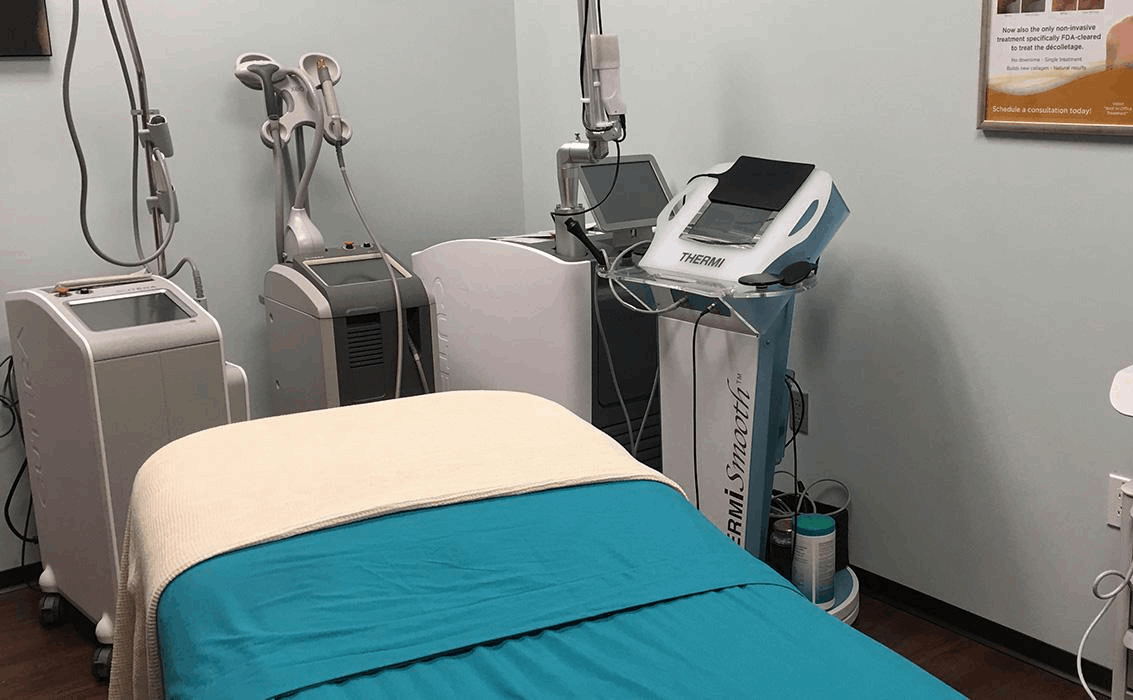


Many men in The Woodlands, TX notice changes in energy, strength, focus, or sexual health as they get older. In some cases, these changes are linked to low testosterone or other hormone imbalances. Hormone therapy for men may help certain patients who have medically confirmed low levels and related symptoms, but it is not a quick fix for aging or a substitute for healthy habits. This guide from Woodlands Wellness explains when hormone therapy might be considered, how the process works, and what questions to ask before you begin. Understanding the facts helps you make a safer and more informed decision.
Understanding Hormone Therapy for Men and When It Is Considered
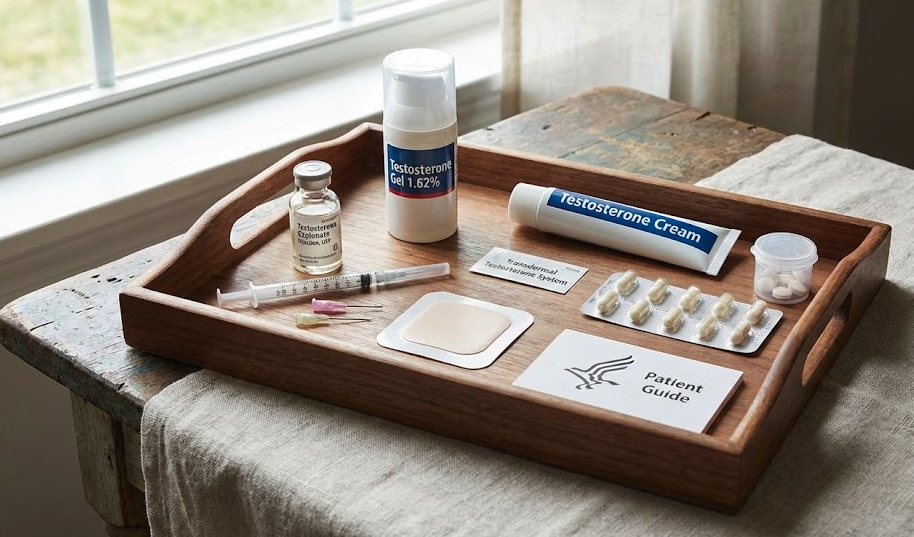
Hormone therapy for men most often refers to testosterone replacement therapy for those with confirmed hypogonadism, which is a condition where the body does not produce enough testosterone. Symptoms can include low sex drive, erectile problems, reduced muscle mass, increased body fat, low mood, and low energy. However, these symptoms are not specific, and many other conditions can cause them, so a thorough medical evaluation is essential. Guidelines from endocrine societies and urology groups stress that a diagnosis of hypogonadism requires both symptoms and consistently low testosterone levels on properly timed blood tests. Hormone therapy can be delivered through gels, injections, patches, or other approved formats, each with its own advantages and disadvantages. Recent regulatory updates emphasize that testosterone products are intended only for men with medically confirmed low levels, not for general performance enhancement or aging alone. At Woodlands Wellness in The Woodlands, TX, clinicians consider your full health picture, including heart health, prostate history, sleep apnea risk, and fertility goals, before discussing hormone therapy. The goal is to identify men who are most likely to benefit and least likely to be harmed.
Why Not Every Man with Low Energy Needs Hormone Therapy
Low energy and reduced libido can be frustrating, but they do not always mean that hormones are the main problem. Sleep disorders, depression, chronic stress, certain medications, and lifestyle factors can all contribute to these symptoms. In many cases, addressing these issues first may improve how you feel without the need for hormone therapy. Even when blood tests show borderline testosterone levels, careful interpretation is needed, including repeat testing and assessment of other hormones. A responsible clinician will explain when hormone therapy is not recommended and will suggest alternatives such as weight management, exercise, sleep optimization, or mental health support. At Woodlands Wellness, transparency is central, so you can expect clear explanations instead of pressure to start treatment.
Potential Benefits and Risks of Hormone Therapy for Men
When prescribed for the right patient and monitored carefully, testosterone therapy may improve sexual function, mood, muscle mass, and bone density, and may reduce anemia in some men. Many patients report better energy and motivation, although responses vary. At the same time, hormone therapy carries risks. Possible side effects include acne, increased red blood cell count, swelling, breast tenderness, and reduced fertility. There has been ongoing discussion about the relationship between testosterone therapy and cardiovascular events, and recent trials along with regulatory reviews have refined how risks are described in product labels. Men who use testosterone require regular monitoring of blood counts, prostate specific antigen, and other markers. Hormone therapy is generally not recommended for men with certain prostate or breast cancers, severe untreated sleep apnea, or specific heart conditions. The decision to start should always be based on a careful discussion of benefits, risks, and available alternatives with your provider at Woodlands Wellness in The Woodlands, TX.

Questions to Ask Before Starting Hormone Therapy
Before starting hormone therapy, it is wise to prepare a list of questions for your clinician. Ask how your diagnosis was confirmed, including how many blood tests were done and when they were drawn. Clarify what benefits are realistically expected, how long it might take to notice changes, and how success will be measured. You should also ask about potential side effects, how often you will need lab work, and what symptoms should prompt an urgent call. It is important to discuss fertility goals, because testosterone therapy can suppress sperm production, and some men may prefer other approaches if they want to preserve fertility. Finally, ask what lifestyle changes could improve your results and overall health, since medication works best when combined with healthy habits.
The Process of Hormone Therapy for Men at Woodlands Wellness
At Woodlands Wellness in The Woodlands, TX, the process of hormone therapy for men is structured around safety and personalization. It begins with a detailed history, physical exam, and targeted lab testing. If hypogonadism is diagnosed and no clear reversible cause is found, your clinician will review all treatment options, including non hormonal strategies. If you decide to proceed, you will choose a delivery method such as injections or gels, and you will receive specific instructions for use. Follow up visits are scheduled to assess symptom changes and to review lab results, which may include testosterone levels, blood counts, and prostate markers. Doses are adjusted based on both numbers and how you feel, and the plan may change over time as your health evolves. If concerns arise, such as new chest discomfort, sleep changes, or urinary symptoms, your team will investigate promptly and may pause therapy while evaluations take place.
Long Term Monitoring and When to Reevaluate Therapy
Hormone therapy is not a one time decision, it requires ongoing review. Over the months and years after starting treatment, your risks and benefits can shift as you age or as new health issues appear. Regular appointments allow your provider to check whether the original goals of therapy are still being met and whether your lab values remain in a safe range. If benefits are limited or side effects are troubling, it may make sense to adjust the dose or even discontinue therapy. Guidelines emphasize the importance of shared decision making, which means that you and your clinician discuss options together and review new evidence as it emerges. At Woodlands Wellness, you are encouraged to speak up if your priorities change, so your plan always reflects what matters most to you.
The rise of social media has led to more marketing around testosterone as a lifestyle booster, sometimes aimed at men who do not have true hormone deficiencies. News reports have highlighted concerns that some clinics promote therapy aggressively without proper evaluation. It is important to protect yourself by working with reputable medical practices that follow established guidelines, rather than relying on online influencers or pop up clinics. Asking about credentials, training, and adherence to professional societies’ recommendations can help you choose wisely.
Lifestyle factors can influence testosterone levels and overall wellbeing, even before hormone therapy is considered. Excess body fat, especially around the abdomen, limited physical activity, poor sleep, and high stress can all contribute to lower testosterone and lower energy. Evidence suggests that weight loss, strength training, and better sleep hygiene may improve symptoms in some men and may even raise testosterone levels modestly. At Woodlands Wellness, clinicians often recommend addressing these areas alongside any medical treatment, since the combination usually provides the best results.
Open communication with your partner can also be an important part of navigating hormone related changes. Symptoms such as low libido, mood shifts, or fatigue can affect relationships, and partners may misunderstand the reasons behind these changes. Talking honestly about how you feel and involving your partner in medical visits when appropriate can reduce tension and increase support. Many couples find that understanding the medical aspects of hormone therapy and lifestyle change helps them work as a team. Your clinicians at Woodlands Wellness can offer suggestions for these conversations and may recommend counseling if needed.
If you are considering hormone therapy for men and want clear, unbiased guidance, the team at Woodlands Wellness in The Woodlands, TX is ready to help. Visit https://www.woodlandswellness.com/ to learn more about our men’s hormone health evaluations and treatment options. You can request an appointment online and choose a convenient time to review your symptoms and lab results. During your visit, we will explain potential benefits and risks and discuss lifestyle strategies that support hormone health. Together, we will decide whether hormone therapy is the right step for you.