


Hormones are chemical messengers that affect almost every system in the body, from mood and energy to metabolism, skin, and reproductive health. When hormone levels are too high or too low, women may notice a wide range of symptoms that can be confusing or easy to dismiss. Common underlying causes include thyroid disorders, polycystic ovary syndrome, perimenopause, and certain medications. In The Woodlands, TX, many women delay evaluation because they are busy or assume their symptoms are just part of getting older. This guide from Woodlands explains the most frequent signs of hormone imbalance in women, when to seek testing, and what next steps may look like. Understanding your symptoms is a powerful first step toward feeling like yourself again.
Common Physical Symptoms of Hormone Imbalance in Women
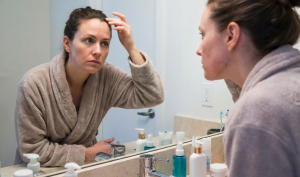
Hormone imbalance can show up in many physical ways, and noticing patterns is important. Irregular or very heavy periods are among the most recognized signs and may suggest conditions such as polycystic ovary syndrome, perimenopause, or thyroid problems. Unexplained weight gain or weight loss can indicate that thyroid hormones, insulin, or cortisol are out of balance. Many women also report persistent fatigue that does not improve with rest, as well as changes in hair and skin such as increased acne, hair thinning on the scalp, or excess facial hair. Hot flashes, night sweats, and vaginal dryness are classic symptoms of estrogen shifts, especially around perimenopause and menopause. It is important to remember that each of these signs can have more than one cause. That is why a full medical evaluation is needed rather than self diagnosis. If you see a combination of these physical symptoms that continues for several months, especially if they interfere with daily life, it is wise to talk with a healthcare professional. Early evaluation can help identify issues before they progress and can open the door to effective treatments tailored to your needs.
When Physical Symptoms Suggest an Urgent Medical Visit
Most hormone related symptoms develop gradually, but some patterns call for prompt medical care. Sudden and significant weight changes, severe headaches, vision changes, or new chest pain should never be ignored. These signs may point to more serious conditions that require immediate evaluation, such as heart problems or issues with the pituitary gland. Very heavy vaginal bleeding, especially when accompanied by dizziness or weakness, is another reason to seek urgent help. If you notice breast changes such as new lumps or discharge, do not wait to bring them to your provider’s attention. In The Woodlands, TX, the team at Woodlands Wellness can help determine whether urgent care, primary care, or specialist care is the right next step. When something feels very different from your usual state, it is always better to be cautious and get medical advice quickly.
Emotional and Cognitive Signs of Hormone Imbalance
Hormone changes can strongly influence mood and cognitive function. Many women with hormone imbalance describe feeling unusually irritable, anxious, or sad without a clear trigger. Others experience brain fog, difficulty concentrating, or memory lapses that make everyday tasks harder. These symptoms can arise during perimenopause, thyroid dysfunction, or other hormonal shifts. Sleep disturbances such as insomnia or frequent waking at night can worsen mood and thinking concerns, creating a cycle that is difficult to break. Because stress and life events also affect mental health, hormone related emotional symptoms are sometimes misattributed to purely psychological causes. If you feel unlike yourself for several weeks or months and notice that mood changes coincide with physical symptoms or menstrual changes, hormone testing may be appropriate. A thorough evaluation allows your care team to distinguish between primary mental health conditions, hormone driven changes, or a combination of both, which leads to more effective treatment.
How Hormones and Mental Health Interact
The connection between hormones and mental health is complex, and both areas deserve attention. Estrogen and progesterone affect neurotransmitters in the brain that influence mood, anxiety levels, and sleep quality. Thyroid hormones also play a key role in energy and emotional balance. When these systems are out of alignment, women may experience symptoms that resemble depression or anxiety. Sometimes hormone treatment alone can significantly improve mood and cognitive function, especially when there is a clear endocrine disorder. In other cases, counseling, stress management, or medication for mental health conditions is also needed. At Woodlands Wellness in The Woodlands, TX, providers work collaboratively, encouraging open conversations about both emotional and physical experiences. This integrated approach helps women receive comprehensive care that respects the full picture of their wellbeing.
Testing and Treatment Options for Hormone Imbalance in Women
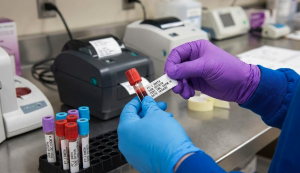
There is no single test that diagnoses all hormone imbalances, which is why a detailed history and physical exam come first. Your provider may order blood tests to evaluate thyroid function, reproductive hormones, blood sugar, and other markers, depending on your symptoms and age. In some situations imaging studies are needed, such as ultrasound for ovarian concerns or scans for pituitary disorders. Treatment plans are highly individualized. They might include lifestyle recommendations for nutrition, activity, and sleep, as well as medications that adjust hormone levels. For women nearing menopause, hormone therapy may be considered after a careful discussion of risks and benefits based on current guidelines. It is important to be cautious with unregulated supplements and at home hormone kits that are not supported by evidence. Working with qualified clinicians ensures that you receive safe and effective care that matches your specific diagnosis rather than a one size fits all approach.
Building a Long Term Hormone Health Plan in The Woodlands, TX
Hormone health is not a one time project. It evolves as you move through different life stages such as your twenties, childbearing years, perimenopause, and beyond. At Woodlands Wellness, your care team in The Woodlands, TX can help you create a long term plan that supports each stage. This may include regular checkups, hormone monitoring when appropriate, and guidance on lifestyle habits that promote balanced hormones, such as nutrition, movement, and stress management. Open communication is key, so you feel comfortable discussing changes in periods, mood, libido, or energy. Over time, small adjustments to your plan can prevent minor issues from turning into major health problems. With consistent support, hormone health becomes a foundation for overall wellness rather than a source of constant frustration.
Many women are unsure when to see a specialist versus their primary care clinician. As a general guide, if your symptoms are mild and recent, starting with primary care or a general gynecologic visit is often appropriate. If symptoms are severe, long lasting, or if initial treatment has not helped, a referral to an endocrinologist or reproductive specialist may be recommended. Your provider can help determine which type of specialist is best based on your lab results and health history. At Woodlands Wellness, the team collaborates with trusted specialists in The Woodlands, TX to ensure you receive coordinated care.
Lifestyle choices can support hormone balance alongside medical treatment. Eating a pattern that includes plenty of vegetables, lean protein, whole grains, and healthy fats can help stabilize blood sugar and support cortisol balance. Regular physical activity improves insulin sensitivity, supports thyroid function, and can ease premenstrual or perimenopausal symptoms for many women. Quality sleep and stress management strategies such as breathing exercises, mindfulness, or counseling can also be valuable. While lifestyle changes cannot correct every hormone disorder, they create a stronger foundation for any medical therapies your clinician recommends.
Education is empowering when you are dealing with hormone related concerns. Keeping a symptom journal that tracks your cycle, mood, energy, and physical changes can provide useful patterns to share at appointments. Many women find it helpful to bring a written list of questions to each visit so they leave with clear next steps. Asking about the goals of testing, the reasons for each medication, and expected timelines for improvement can reduce uncertainty. When you feel informed and heard, you are more likely to follow your care plan and notice early when something is not working as expected.
If you recognize signs of hormone imbalance in women in your own life, Woodlands Wellness in The Woodlands, TX is ready to support you. Visit https://woodlandswellness.com/ to learn more about our hormone health evaluations and treatment options. You can explore our services, meet our team, and request an appointment online. During your visit, we will listen carefully to your concerns and design a plan that respects your goals and lifestyle. With the right guidance, you can move toward better balance and renewed energy.
Hormone imbalance in women can affect every part of life, from energy and mood to weight and reproductive health. Recognizing the signs early and seeking professional evaluation allows you to move from confusion to clarity. Evidence based testing and treatment can address many underlying causes and help you feel more like yourself again. At Woodlands Wellness in The Woodlands, TX, compassionate clinicians partner with you to build a personalized path toward better hormone balance. You do not have to live with unexplained symptoms when help is available.